




Document Accessibility Solution

Barriers That Make Access to Digital Content More Challenging
Accessibility Gaps in Banking and Financial Documents
Accessibility Gaps in Education and E-Learning
The absence of sign language support in digital textbooks and PDFs, along with a lack of audio narration for learners with visual impairments, undermines the principle of equal opportunity in education.
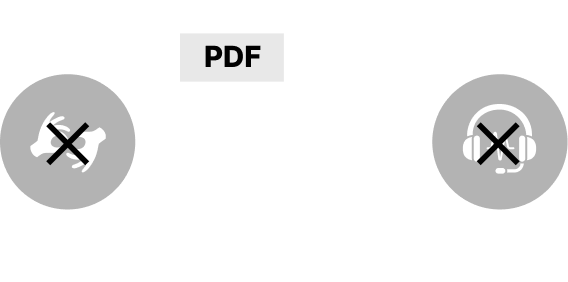
Access Barriers in Financial Reports and Contracts
If financial reports and contracts are not compatible with screen readers, people with visual impairments cannot access critical information. This gap highlights a challenge in digital inclusivity and equal access.
Accessibility Gaps in the Health & Insurance Sector
Patient consent forms and insurance policies are not accessible to individuals with disabilities. This situation makes it more difficult for people with disabilities to access healthcare services and insurance processes on equal terms.
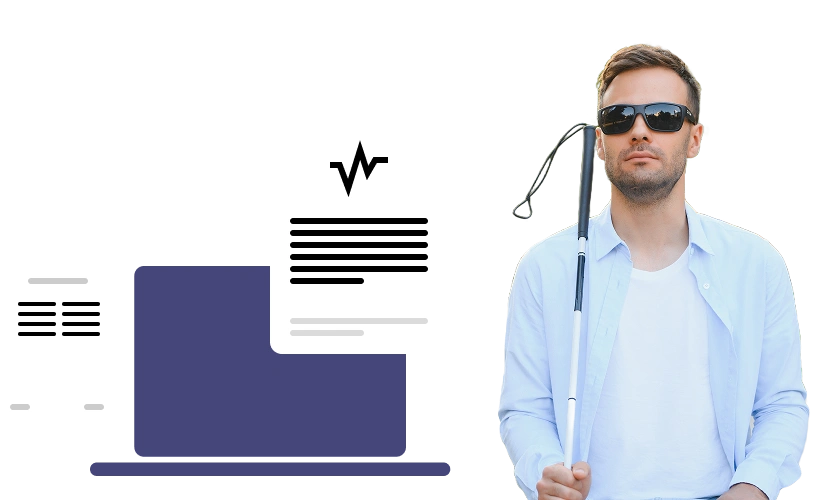
Let's Strengthen Digital Accessibility to Remove Barriers!
Banking & Finance Sector
Sign Language
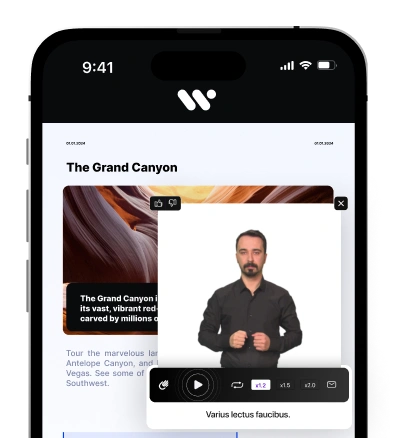
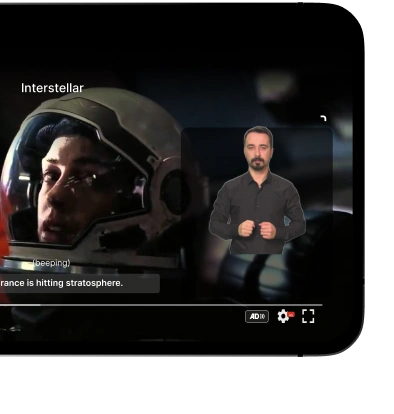
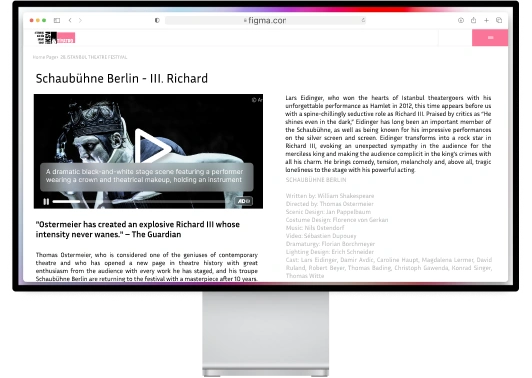
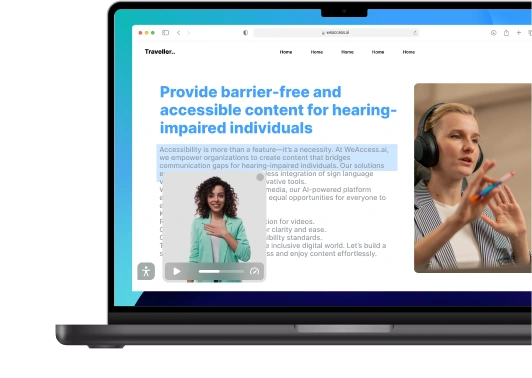
Adding sign language translation to banking contracts and forms is essential for ensuring that deaf individuals can access critical information fully and freely in their native language.
Echo
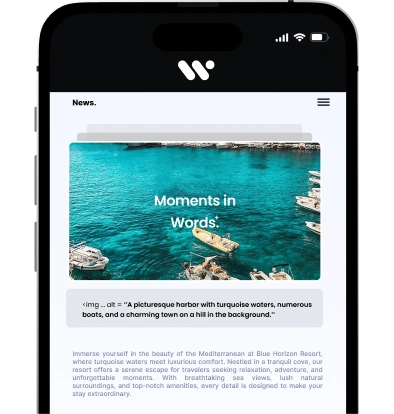
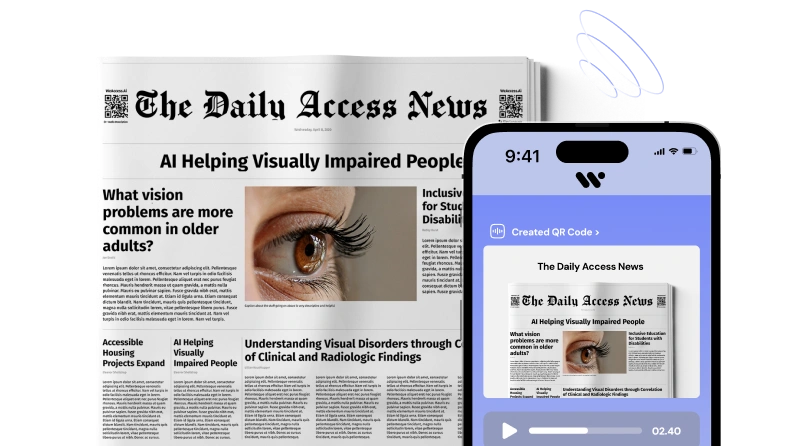
Adding audio narration to banking contracts and forms enables people with visual impairments to access critical information equally and independently.
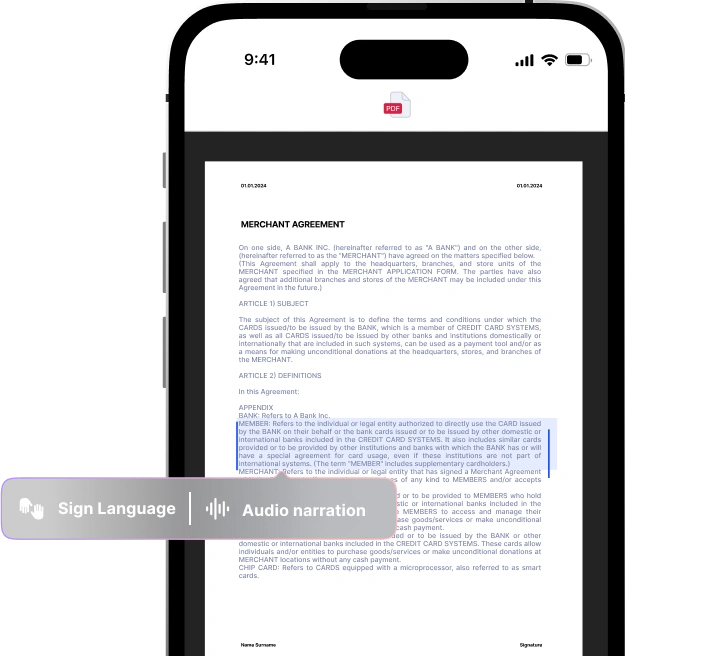
Healthcare & Insurance
Adding sign language and audio narration to patient consent forms and insurance policies ensures that people with hearing and visual impairments can access vital information equally.
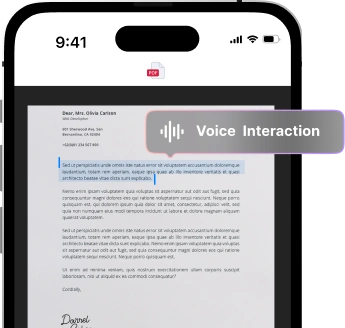
Inaccessibility of Financial Reports and Contracts
Corporate documents, especially financial reports and contracts are incompatible with screen readers, preventing access for visually impaired individuals.
Legal Documents
With sign language support for people who are deaf and audio narration for people who are blind, legal documents become accessible, ensuring equal access to legal information for all.
Features.
Sign Language - PDF Sign Language Add-on
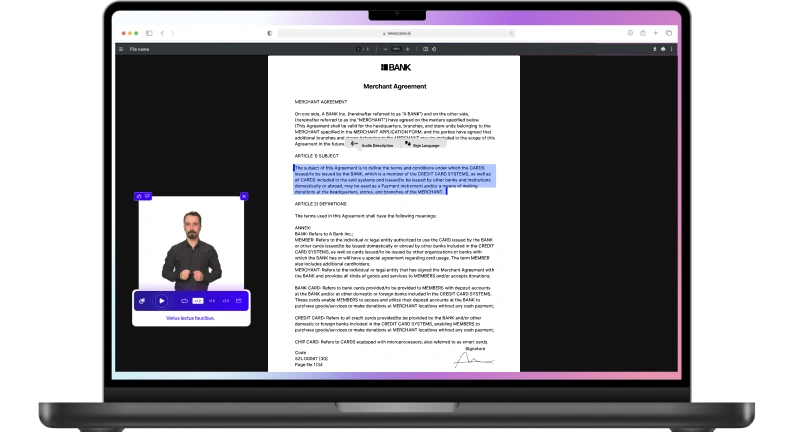
Echo - PDF Voice Narration

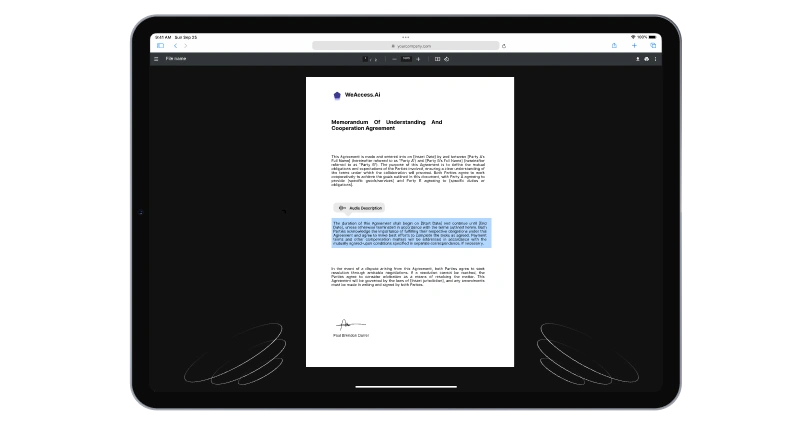
SignLanguage
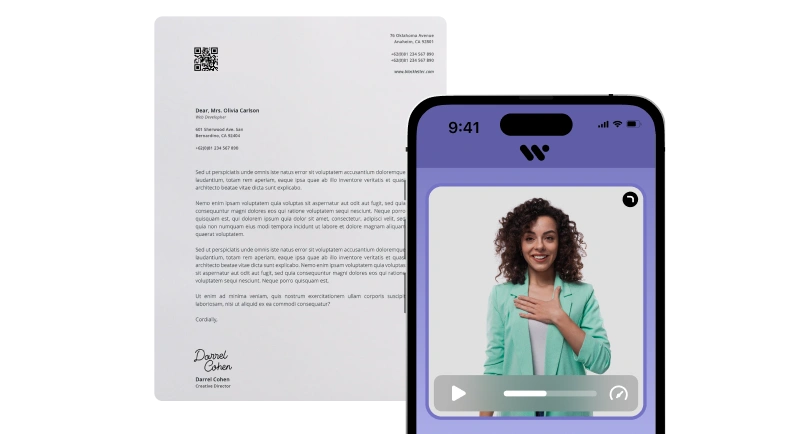
Sign Language Add-on to Digital Documents
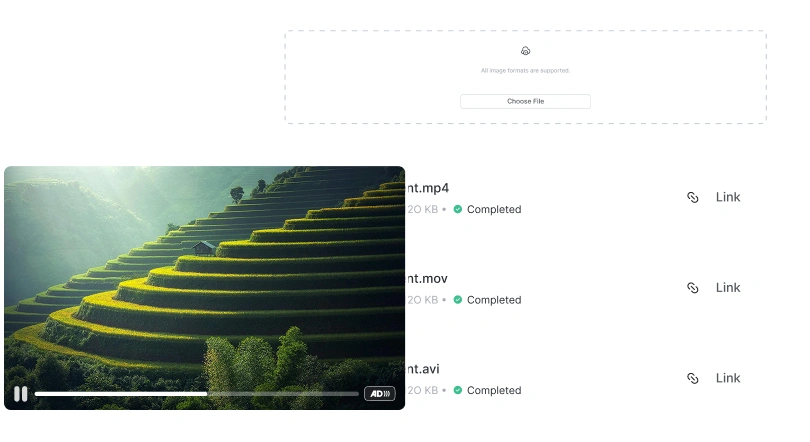
What Are Accessible PDFs?
- Tagged headings and structure
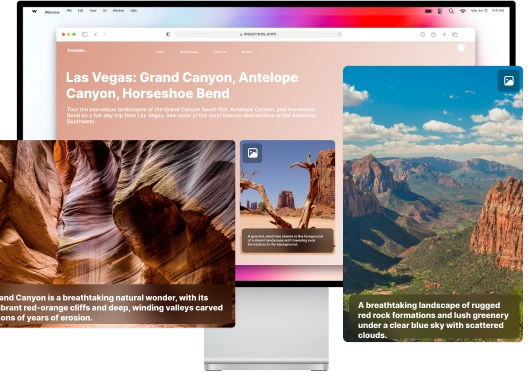
- Alternative text descriptions
- Screen reader compatibility
Ensuring Inclusive Access with PDF Accessibility
PDF accessibility ensures equal access for all by complying with WCAG, ADA, and Section 508 standards, making documents usable for individuals with disabilities. We enhance accessibility by making sentences clickable and translatable into sign language, aligning with WCAG PDF accessibility guidelines for inclusivity.

Document Accessibility Solution
Echo
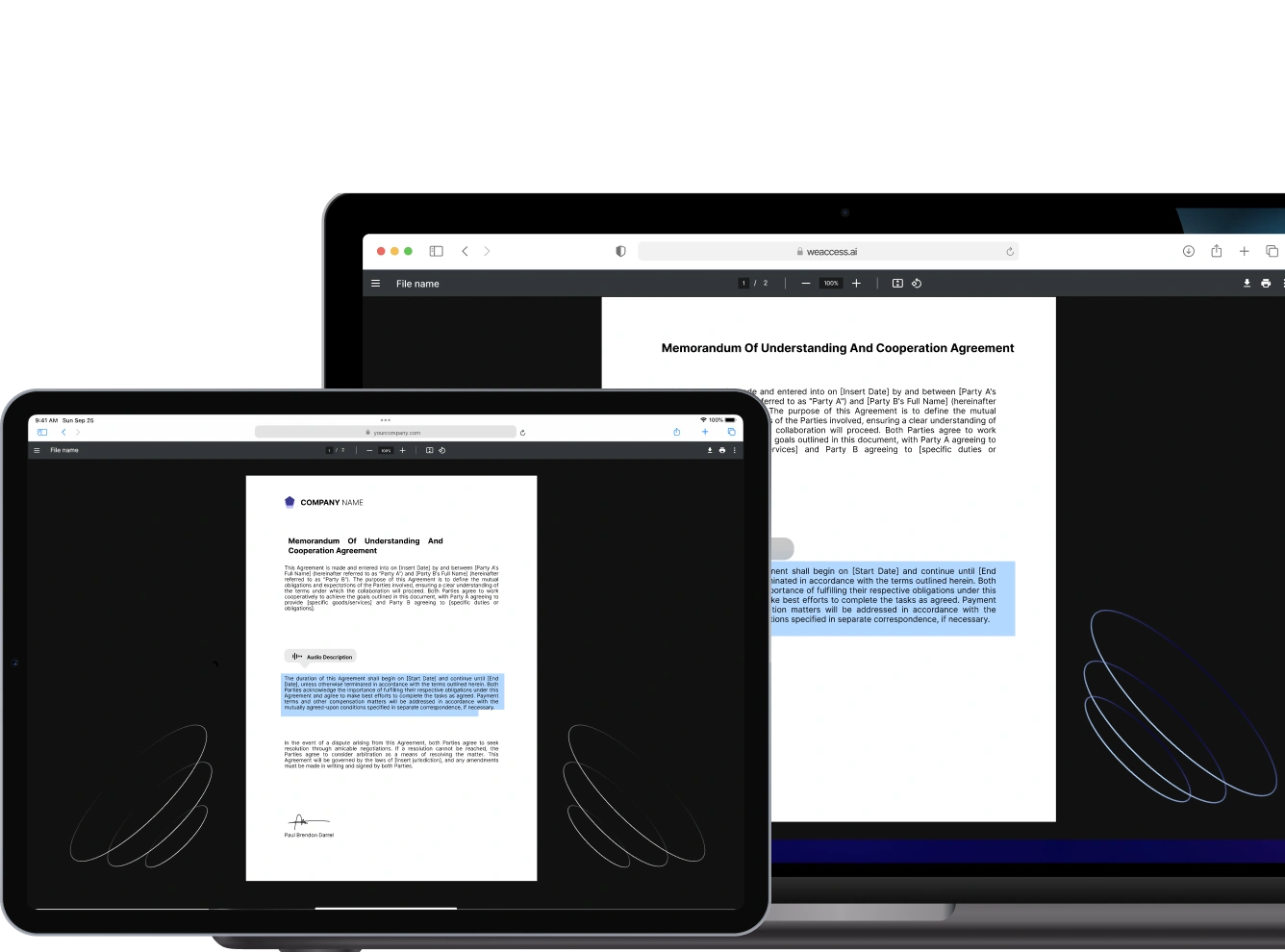
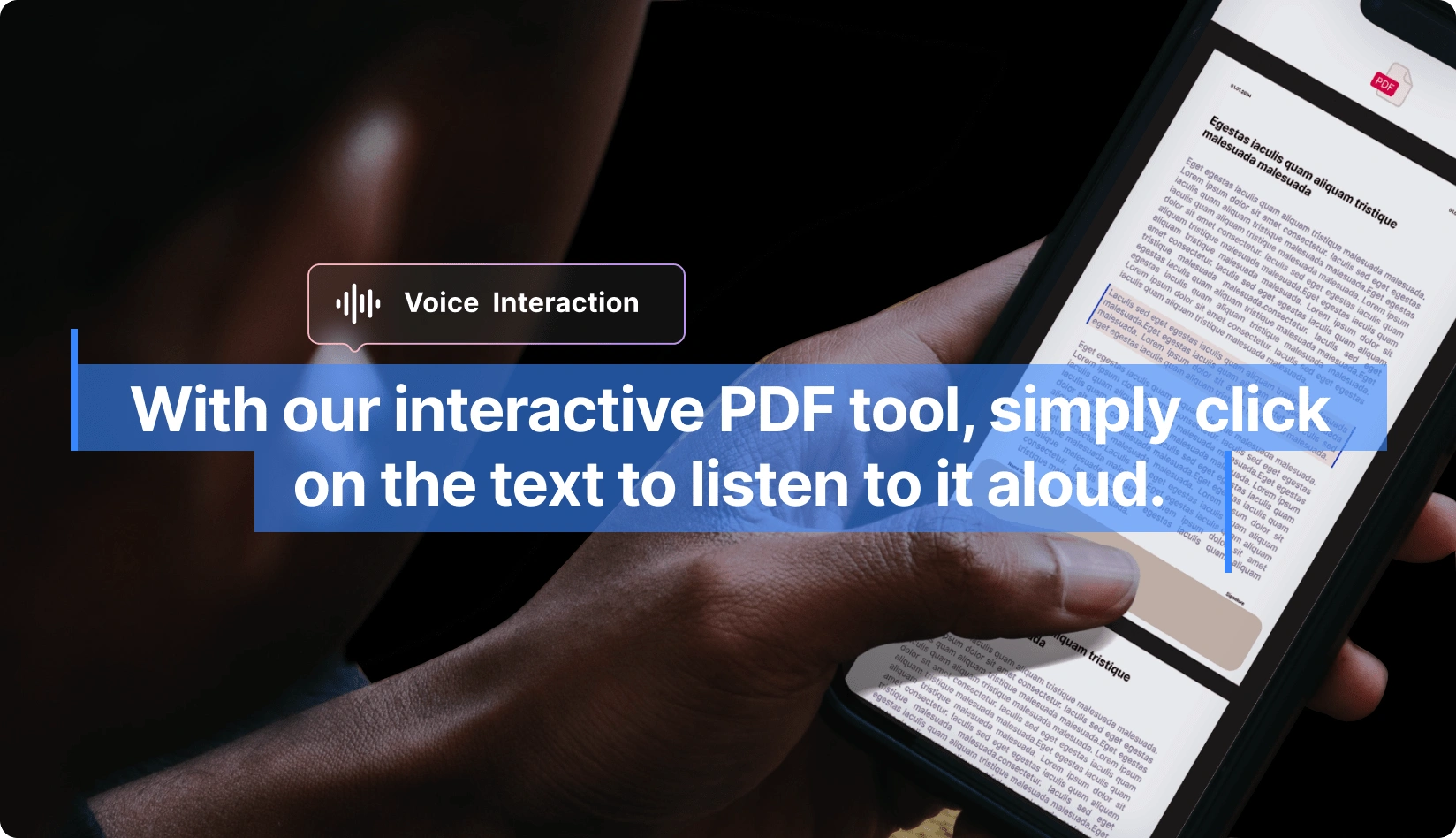
With audio narration and sign language, PDFs become fully accessible to users of all abilities.