






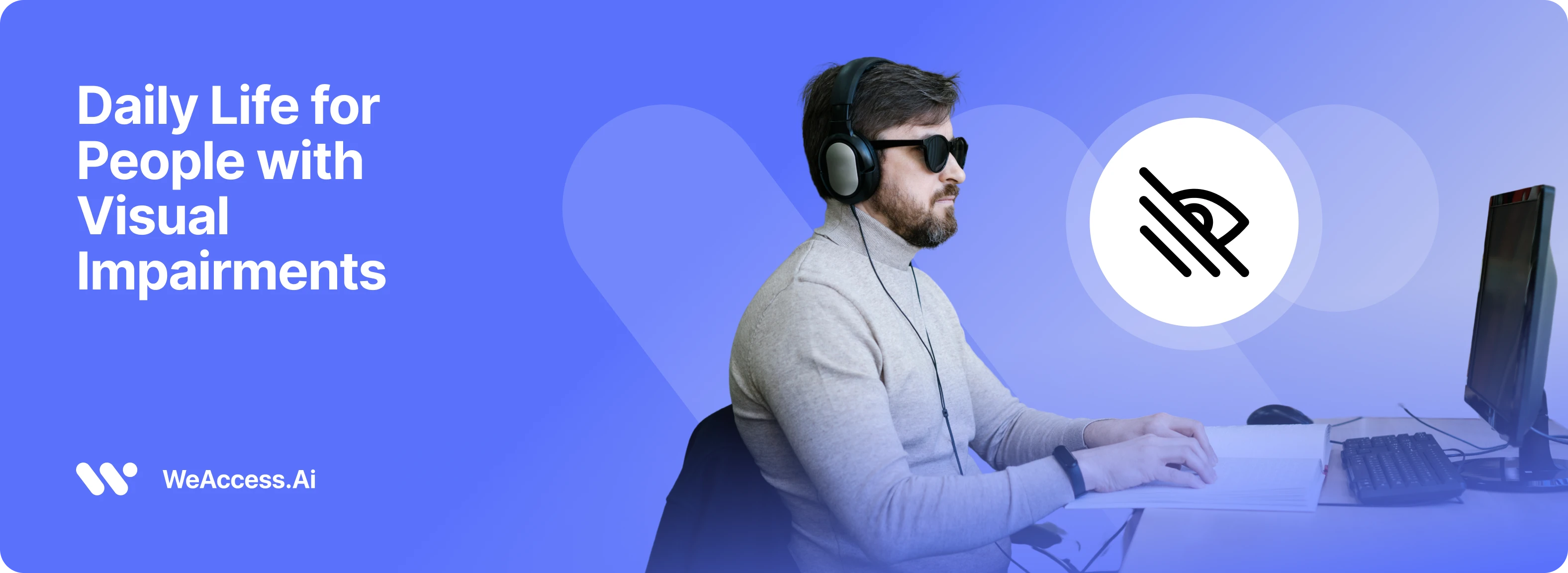

Visually impaired individuals can perform personal tasks independently, participate in art and cultural activities, and actively take part in working life just like individuals without disabilities. Those who develop their skills in a specific field continue to work in remarkable positions in both public and private sectors today.
Similarly, blind individuals do not necessarily need assistance in their personal lives. In areas such as entertainment, art, and many others, they are an active part of society. In this content, we will examine the lifestyle of visually impaired individuals across different fields.
What Does the Daily Life of Visually Impaired Individuals Include and What Skills Does It Cover?
The daily life of visually impaired individuals covers many areas, from home life to work and education. Art, culture, and professional life are all part of daily living, and participation in these areas continues to increase thanks to growing awareness.
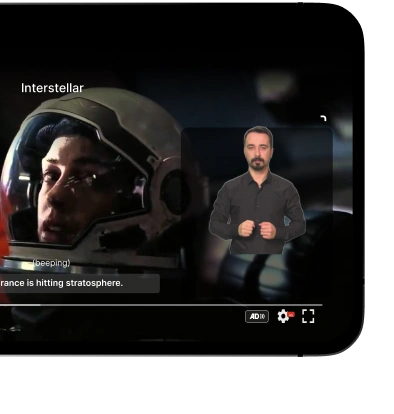
For example, watching TV series or movies has become more accessible today with the increasing availability of audio-described content on television channels and digital platforms, whereas in the past such content was almost nonexistent. Both public and private sectors are becoming more aware of screen reader and screen magnification software used by visually impaired employees and are increasingly sensitive to accessibility needs.
Accessibility is not only about participation in work, art, and cultural activities, but also about how individuals access these areas. Visually impaired people use public transportation and taxis like everyone else and walk on pedestrian paths. When they need to reach a destination, online map applications provide voice guidance, while the white cane remains their closest companion in detecting obstacles. Although the number of independently living visually impaired individuals is increasing, accessibility issues in urban infrastructure can still cause unfortunate incidents.
What Challenges Do Visually Impaired Individuals Face in Daily Life?
The answer to the question “What challenges do visually impaired individuals face in daily life?” varies for each individual. These challenges can generally be categorized as follows:
Challenges in routine tasks:
These include activities such as cooking, cleaning, brushing teeth, and taking a shower for personal hygiene.
Challenges in working life:
Issues such as acceptance by colleagues, lack of recognition of abilities, and insufficient provision of tools such as screen reader software by companies are common workplace challenges.
Challenges in cultural and artistic activities:
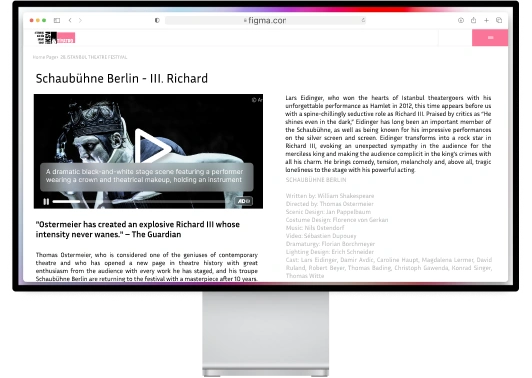
Visually impaired individuals also want to attend theater, cinema, and concerts. However, accessibility in such events is still limited. For example, audio description is necessary in live theater and movies so that individuals can understand what is happening visually on stage or screen.
Challenges in education:
When studying or preparing for exams such as university entrance exams or civil service exams, visually impaired individuals need textbooks and question banks. However, access to these materials is often limited. Audio or scanned versions are not always available.
Challenges in transportation:
Lack of tactile paving on sidewalks, obstacles such as poles placed in inappropriate locations, and missing audio announcements in public transport significantly affect travel experiences.
How Do Visually Impaired Individuals Handle Personal Care and Daily Routines?
Visually impaired individuals receive training from various courses to learn cooking skills. These trainings help improve motor skills and develop new abilities. Being able to cook independently is an important part of independent living, and instructors play a key guiding role for those who cannot learn through trial and error.
Labeling food items such as pasta, rice, and meat with clear tags or organizing them systematically can speed up the process of finding ingredients. Separating refrigerator shelves according to food types is also a traditional method that simplifies meal preparation.
Modern appliances such as ovens and stoves now often include voice assistance and smart home integration, making kitchen tasks easier.
Another important daily task is oral hygiene. Dental health helps individuals present themselves better in society. Regular toothbrushes can be used easily; it is enough for individuals to identify their own toothbrush. For shaving, electric razors can be used safely through tactile guidance, and the same applies to hair grooming. Relying on the sense of touch is one of the most reliable methods, as sensory perception is highly dependable.
How Do Visually Impaired Individuals Use the Web and Applications?
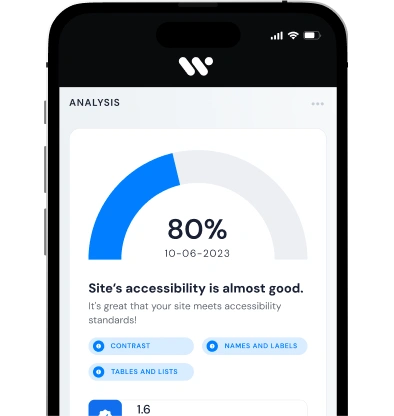
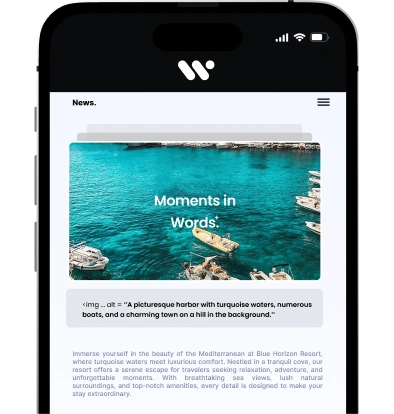
Visually impaired individuals access websites and applications on smartphones and computers using screen reader and magnification software. Their ability to use these tools effectively depends on how accessible the websites and applications are.
Websites and mobile applications that are not designed for screen readers negatively affect user experience. For an inclusive digital experience, accessibility must be prioritized, and interfaces should be designed in compliance with screen reader technologies.
How Do Visually Impaired Individuals Participate in Social and Cultural Life?
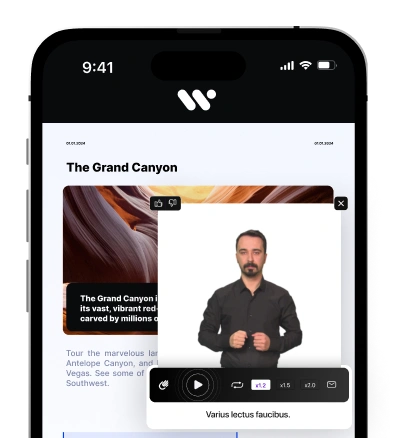
Access to cultural and artistic life for visually impaired individuals involves many aspects, including the organization of events. A visually impaired person can attend a regular cinema film or a theater performance with dialogue. However, providing audio description for both experiences makes them unique and more meaningful. Audio description allows individuals to perceive the atmosphere of the environment, connect with characters, and visualize scenes in their mind.
Access to books can also be considered a cultural activity. Here, audio books and digital reading solutions are very important. Although there are many paid and free audiobook platforms today, these channels still need improvement in terms of the number of available works.
Not every visually impaired individual has equal opportunities for social participation. In this context, local governments’ awareness of visually impaired individuals in their region and organizing events such as concerts and exhibitions from time to time would contribute both to cultural accessibility and increased social participation.
How Is Accessibility in Education Ensured for Visually Impaired Individuals?
Accessibility in education can be addressed from different perspectives at each educational level. In fact, it would not be wrong to say that different accessibility methods should be applied for each course. For example, in high school or university lectures, the most effective way for students to access information is to record the lecture.
Presentations and documents may also need to be made accessible manually depending on the situation.
In primary, secondary, and high school education, basic textbooks are provided by the Ministry of National Education for visually impaired students. However, for other textbooks and question banks used in classes, students must use alternative methods. These methods may include scanning the book into an accessible PDF file or having it read aloud by someone.
For numerical subjects such as mathematics, audio explanations provided by a good reader are often more effective. In addition, Hale Uçuş’s “Engelsiz Matematik” (Barrier-Free Mathematics) project, where she teaches mathematics through live lessons for visually impaired individuals, is one of the most valuable accessibility initiatives in Türkiye in recent years. Hale Uçuş shares these videos on YouTube and also posts problem-solving videos on her channel.
How Do Visually Impaired Individuals Participate in Working Life?
Visually impaired individuals can apply for jobs through regular job postings or special recruitment announcements for disabled employees published by companies. Those who wish to work in the public sector can take the Public Personnel Selection Examination for Disabled Persons (EKPSS), held every two years.
Visually impaired individuals can register with the Turkish Employment Agency (İŞKUR) and access job listings specifically published for them. Access to employment and production processes is provided through both digital and in-person channels offered by public and private platforms. Placement in public institutions does not require an interview, while private companies may conduct interviews during recruitment processes.
After employment, visually impaired individuals may request necessary workplace accommodations such as screen reader software. Recently, it has been observed that private companies have increased internship and hiring programs for disabled individuals.
What Solutions Make Life Easier for Visually Impaired Individuals?
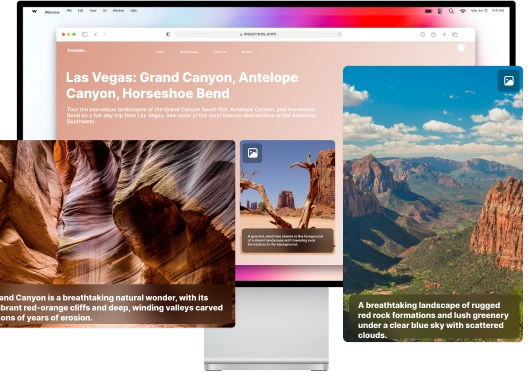
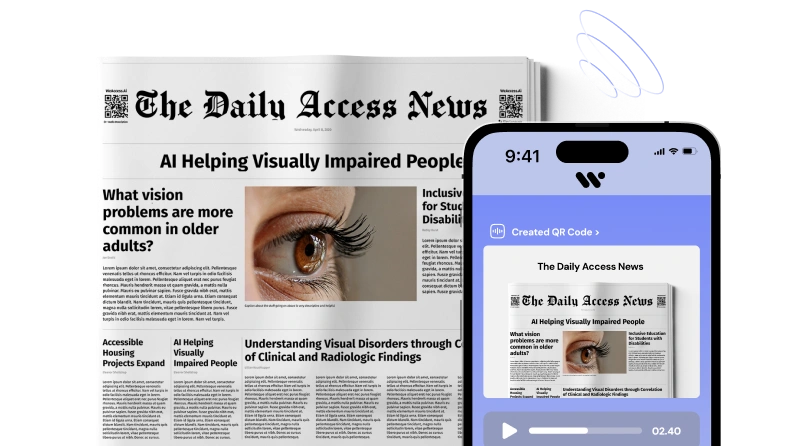
Visually impaired individuals may need descriptions of photos sent via WhatsApp or taken by themselves. In such cases, applications like WeAccess can provide image descriptions using artificial intelligence.
This allows visually impaired users to receive real-time information from the screen reader while taking photos of people or objects. Social media platforms such as Instagram and Facebook can also generate basic alternative text for images without descriptions, helping users better understand what they see while browsing.
Beyond these, many other aspects of daily life for visually impaired individuals can be further detailed. We will continue to explore this topic under different headings.