






Understanding visually impaired individuals more closely and learning how to approach them appropriately requires awareness of information about visual impairment. Various knowledge gained in both health and daily life contexts contributes to a better understanding of visually impaired individuals.
Who Is Considered Visually Impaired and What Are the Types?
A person who cannot partially or fully use the visual function in one or both eyes is defined as visually impaired. Individuals with color blindness, night blindness, and those using prosthetic eyes are also considered visually impaired.
Totally visually impaired individuals (completely blind) perceive their environment through touch. In education, they benefit from tactile and auditory learning materials.
Another type is low vision individuals. People with low vision may retain a certain level of sight and can use supporting tools such as glasses, lenses, or optical devices to see.
How Is Visual Impairment Classified?
One of the most frequently asked questions about visual impairment is how severity levels are classified. In addition to basic classifications such as low vision or total blindness, organizational systems use categories such as B1, B2, and B3.
- Total blindness: The individual cannot see anything, including light.
- Partial vision: Vision is blurred or absent in certain areas.
- Other visual impairments: Conditions such as night blindness and color blindness are also considered visual impairments.
In education, sports, and other organizational fields, classifications such as B1, B2, and B3 are used. Each level represents the degree of visual ability:
- B1 level blindness: Individuals who cannot perceive anything, including light.
- B2 and B3 levels: Individuals with low vision. Even after treatment, those whose vision ranges between 1/10 and 3/10 in both eyes and who cannot function visually in educational activities without assistive tools are included in these categories.
What Do Visually Impaired Individuals See and How Do They Manage Daily Life?
What Do Visually Impaired Individuals See?
Completely blind individuals cannot perceive anything, including light. They perceive their environment through touch, smell, and hearing. Low-vision individuals may read Latin alphabet texts using magnifiers or software and perceive their surroundings similarly to sighted individuals. Their visual range and environment play a major role in their ability to see.
How Do Visually Impaired Individuals Navigate?
Completely blind individuals use a white cane as a mobility aid. The cane helps detect obstacles. Low-vision individuals may use different glasses, lenses, or assistive tools depending on their condition. For example, individuals sensitive to sunlight use polarized sunglasses to reduce glare.
Other Daily Life Routines of Visually Impaired Individuals
Daily Living: Visually impaired individuals can manage their personal tasks independently and actively participate in work and school life. They can live independently.
Personal Routines: They can perform daily activities such as cooking, cleaning, and personal care (brushing teeth, shaving). They may use labeling systems or organized layouts to identify ingredients while cooking. Relying on the sense of touch helps them make accurate decisions in daily routines.
Mobility/Travel: They use internet-based navigation applications with voice guidance to reach destinations. The white cane is their primary tool for detecting obstacles. They also use public transportation and taxis.
How Do Visually Impaired Individuals Learn to Read and Write?
The literacy process for visually impaired individuals depends on their level of vision. Individuals who are completely blind or unable to read the Latin alphabet begin their education by learning Braille. Primary school textbooks are printed in Braille and distributed. In addition, audio and digital books are widely used as supplementary resources.
Can Visually Impaired Individuals Use Computers?
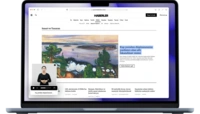
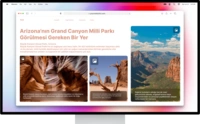
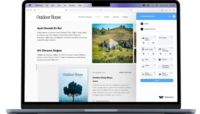
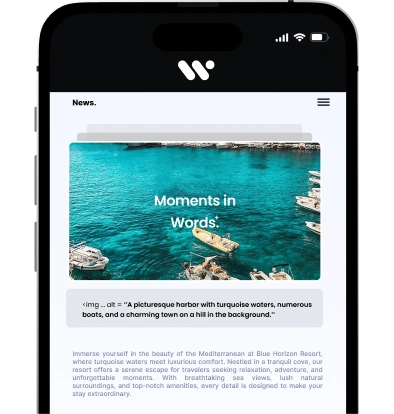
Visually impaired individuals can use computers like sighted users through screen reader software and magnification tools. Depending on their level of impairment, different accessibility tools are available. For example, low-vision users can select high-contrast modes in operating systems to read text more easily. Magnification tools also significantly improve usability.
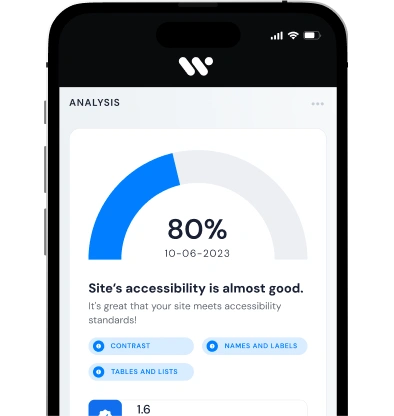
Computer use is directly related to how effectively screen reader software is used. Additionally, websites and applications must be designed in accordance with accessibility standards.
What Are the Symptoms of Visual Impairment and Related Diseases?
Visual impairment may be congenital or develop due to various diseases. If the following symptoms are observed, a visual condition may be present:
- Inability to track or notice objects in front of the eyes
- Frequent rubbing or avoidance of light
- Eye shaking or abnormal eye movement
- Difficulty distinguishing colors in images
- Redness, tearing, or cloudiness in the pupil
Common diseases causing visual impairment include:
- Cataract: Clouding of the eye lens (often treatable with surgery)
- Glaucoma: Damage to the optic nerve due to increased eye pressure
- Other conditions: Refractive errors such as astigmatism, hyperopia, myopia, and presbyopia
What Are Educational Materials and Tools for Visually Impaired Individuals?
Educational materials must be designed appropriately for each education level. In Türkiye, many materials for preschool, primary, and other education levels are provided by the Ministry of National Education.
In preschool classes, visually impaired children mostly use tactile materials. Objects are taught through touch, and coloring books are designed for accessibility. Suitable educational tools are essential for the development of visually impaired children in early education.
Examples of materials include abacuses used for basic arithmetic, rulers, shape models, and many other tools.
What Are Special Tools Used in Education?
Visually impaired individuals may use different tools according to their needs and preferences. For example, they may take notes using a Braille writing slate or record lectures with audio devices. Braille typewriters are used for faster writing, and Braille displays that connect to modern devices such as computers and smartphones are becoming increasingly common.
What Are Assistive Tools and Technologies for Visually Impaired Individuals?
Visually impaired individuals traditionally use a white cane, but this is not the only option. Guide dogs are also widely used and serve as protective companions.
In addition to traditional tools, the use of smart canes and AI-based solutions is increasing. Features such as vibration feedback, voice navigation, and obstacle detection allow users to benefit from smart canes.
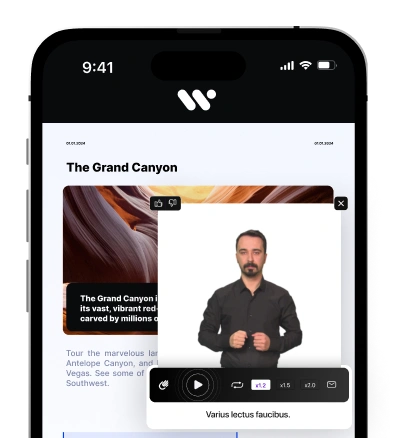
Applications like Be My Eyes connect users with real volunteers for immediate assistance. Generative AI tools such as ChatGPT and Google Gemini further enhance accessibility, enabling users to perform tasks such as finding locations or shopping using only a phone camera.
These technologies significantly reduce the need for human assistance during travel and daily activities.
What Are Accessibility and Rights for Visually Impaired Individuals?
Physical Accessibility:
- Tactile paving (guiding paths): Installed in sidewalks, pedestrian crossings, metro stations, and indoor spaces such as banks.
- Audible traffic lights: Indicate when it is safe to cross the road.
- Accessible sidewalks: Must be wide enough and free from obstacles such as poles and trash bins.
- Transportation: Buses, metros, and other public transport systems provide audio announcements for upcoming stops.
What Is the Rehabilitation Process for Visually Impaired Individuals?
Visually impaired individuals may require external support to actively participate in social life. Independent mobility and daily tasks such as housework are often perceived as impossible by individuals with disabilities and their families. To overcome this situation, there are specialized educational institutions that provide training aimed at building self-confidence and independence, covering skills such as cooking, self-protection, and independent living. These support programs help improve physical strength and develop new skills.
Early Support
In preschool education, individuals are offered opportunities to develop fine motor skills, behavioral awareness, and talent recognition through one-on-one practices and psychological counseling services. The rehabilitation process focuses on helping individuals develop independent living skills and ensuring full participation in society.